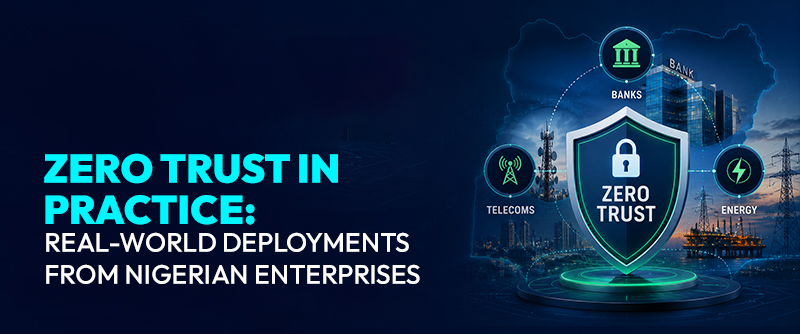
Nigeria’s enterprise security teams are no longer debating whether perimeter-based security has failed. The evidence settled that question. Between 2017 and 2023, Nigeria lost an estimated $805 million to cybercrime across banking, telecommunications, and government sectors, according to a 2025 UNODC assessment. AI-driven attacks on the financial sector alone surged by 150% in 2024. Against […]
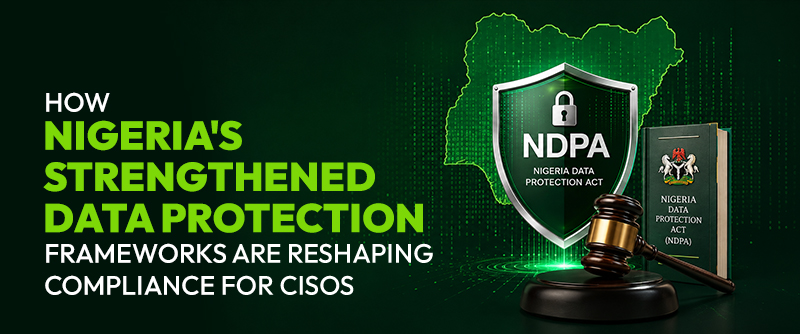
Nigeria’s data protection landscape has moved from guidance to active enforcement, with CISOs among the first to feel the impact. As the Nigeria Data Protection Law 2026 enters a stricter enforcement phase, security leaders can no longer treat compliance as a documentation exercise delegated to legal teams. It has become a boardroom priority, directly linked […]

Nigerian security operations centres are no longer asking whether artificial intelligence belongs in their cybersecurity strategy; they are asking how quickly they can move it from a promising pilot to a system they can trust under real-world pressure. With the Nigeria Data Protection Commission reporting more than 4,000 cyberattacks targeting networks across the country each […]
Africa’s digital economy is growing faster than the infrastructure designed to support it. Mobile banking, e-government platforms, and fintech services have widened the continent’s attack surface. When breaches occur, most institutions lack the trained personnel, validated tools, or legal frameworks to respond effectively. Digital forensics sits at the heart of this challenge, providing the capabilities […]

Nigeria is rapidly advancing towards a fully digitized economy, with ambitious plans to expand fintech, e-commerce, and digital identity systems nationwide. However, Nigeria’s Digital Vision 2030 has faced challenges in keeping pace with the country’s rapid digital transformation. As digital infrastructure expands, the cybersecurity systems needed to safeguard it have not advanced at the same […]